Architect Diederik Dam appointed as new Board member of the Carnegie Foundation – Peace Palace
The Carnegie Foundation is proud to announce that architect Diederik Dam will join the Board of the Carnegie Foundation as of 1 July 2025. As the owner and manager of the Peace Palace, the Foundation has appointed Dam to oversee the heritage and real estate portfolio. His extensive expertise is particularly well suited to the architectural and conservation challenges faced by the historic Peace Palace.
Architect Diederik Dam: Three Generations of Architectural Excellence
Diederik Dam represents the third generation of a distinguished family of architects. After graduating from Delft University of Technology in 1993, he joined the Amsterdam-based firm Dam & Partners Architecten, founded in 1962 by his father, Professor Cees Dam. Under Diederik’s leadership, the firm has grown into a renowned and versatile design practice with an impressive portfolio.
Dam & Partners Architecten has delivered projects ranging from complex urban developments, theatres, city halls and office buildings to hotels, residential complexes, private homes, interiors and furniture. This broad experience in both historic and contemporary architecture makes Dam a valuable addition to the Carnegie Foundation.
“My architectural vision focuses on creating designs that are both flexible and sustainable, with an emphasis on elegance and timelessness,” says Dam. “I look forward to contributing my expertise to the Peace Palace and helping to preserve this monumental heritage while ensuring it remains fit for the future.”
The Peace Palace: A Unique International Landmark
Since opening its doors in 1913, the Peace Palace has housed the United Nations International Court of Justice, the Permanent Court of Arbitration, The Hague Academy of International Law, and a renowned library for international law. The Palace holds both Dutch national monument status and the European Heritage Label.
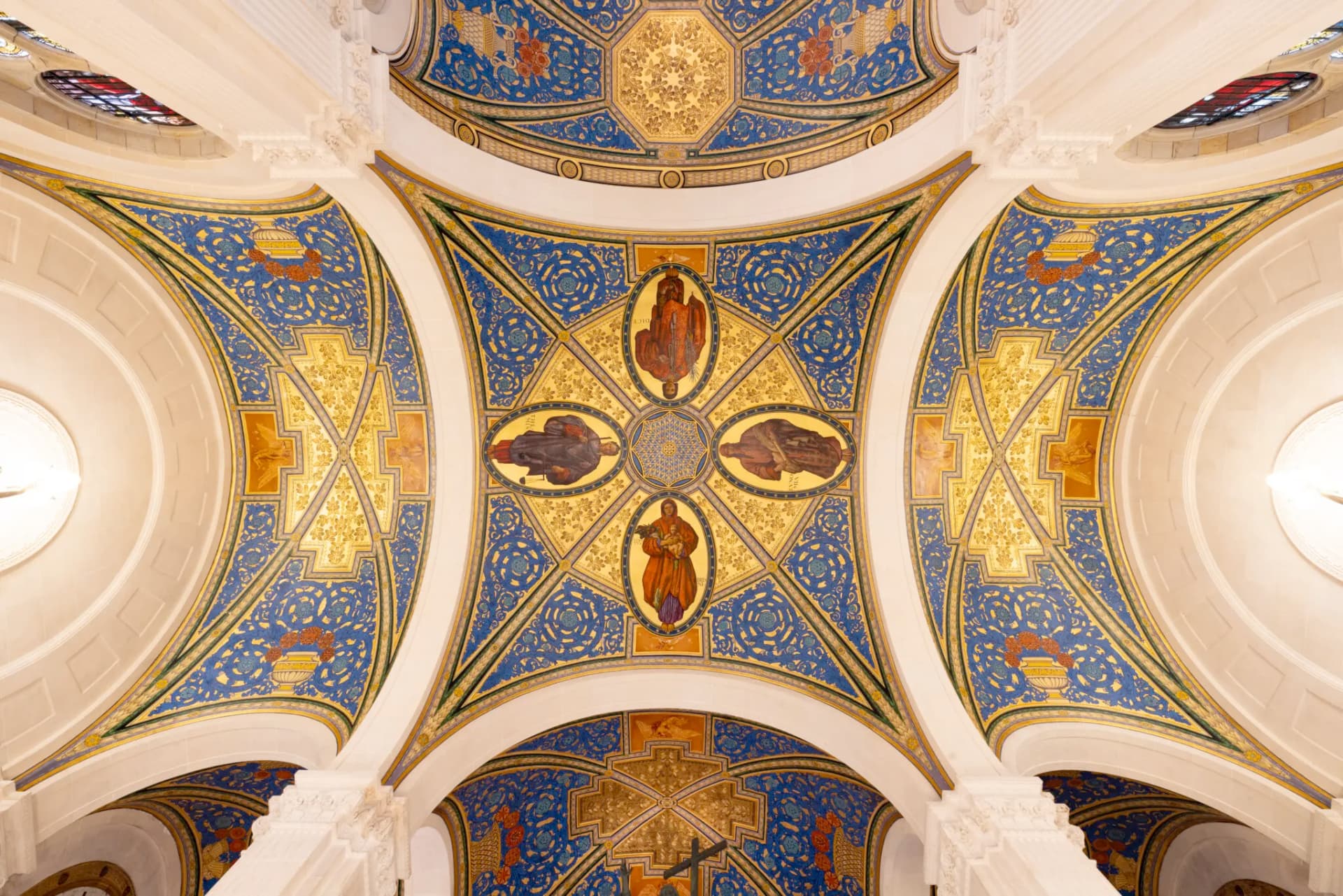
Since its inauguration, countries from around the world have donated building materials and works of art as expressions of their support for the Palace. As a result, the Peace Palace has become a building of exceptional international stature, distinguished by a remarkable diversity of forms, materials and colours.
Architecturally, the Palace also reflects a rich variety of influences. In an international design competition held in 1904, 216 architects submitted proposals. An international jury chaired by Pierre Cuypers selected the French architect Louis Marie Cordonnier as the winner. His design was realised under the supervision and with the collaboration of the Dutch architect Johan van der Steur.
A Challenge for the Future
Piet Hein Donner, Chairman of the Carnegie Foundation, emphasises the significance of Dam’s appointment:
“The Peace Palace is the result of a collective effort by many nations. Its history, the building itself, and the institutions it houses are truly unique. For more than 112 years, the Palace has retained its function, original design and all of its interior details.
“We are now faced with the important task of preserving this monument for future generations while adapting it to meet the contemporary needs of its users. I am delighted that Diederik Dam will support us in this challenge with his fresh perspective, expertise and extensive experience. I look forward to working with him.”
Board of the Carnegie Foundation
The Board of the Carnegie Foundation consists of six members appointed by Royal Decree. Together, they are responsible for the management and preservation of the Peace Palace and for supporting the institutions housed within it.
Diederik Dam succeeds Marinke Steenhuis, who has fulfilled this role with great dedication since 2017.

Diederik Dam, photo by: Liselore Chevalier